Overview
This character guide is meant to sit beside the main walkthrough, not repeat it. Instead of treating the cast as a spoiler-free glossary, it explains how the major figures shape the game's emotional arc, regional politics, and late-game revelations.
The entries below focus on characters and enemy forces that materially change the route. Some profiles lean into endgame context, so readers who want to remain mostly spoiler-light should return after clearing the early dungeon arc.
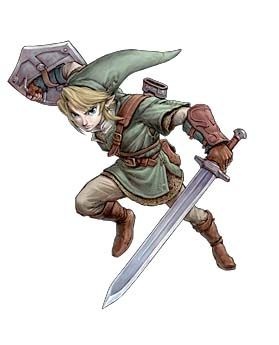
Link
Link begins Twilight Princess as a ranch hand from Ordon Village, and that ordinary starting point matters. The game builds him as a capable local protector first, so when the crisis expands into a war touching multiple provinces and eventually the Twilight Realm, the player can still feel the weight of the home he is trying to defend.
As a guide character, Link is defined less by spoken personality than by consistency under pressure. Every major route shift in the walkthrough, from wolf-form tracking to dungeon item mastery and the final castle ascent, depends on his ability to adapt without losing the quiet sense of duty that defines the opening chapters.
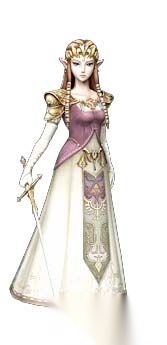
Zelda
Princess Zelda has less screen time than some players expect, but she remains one of the clearest moral anchors in the game. Her role is not to dominate the route moment by moment; it is to represent the dignity, sacrifice, and political burden of Hyrule once the kingdom has already been pushed into crisis.
That restraint is part of why the later ending material carries weight. Zelda's decisions frame the larger conflict as more than a monster problem or a dungeon sequence, reminding the player that the fall of Hyrule is also a collapse of order, responsibility, and royal stewardship.
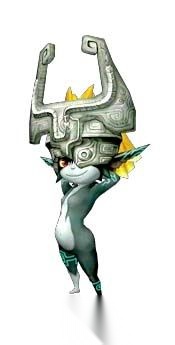
Midna
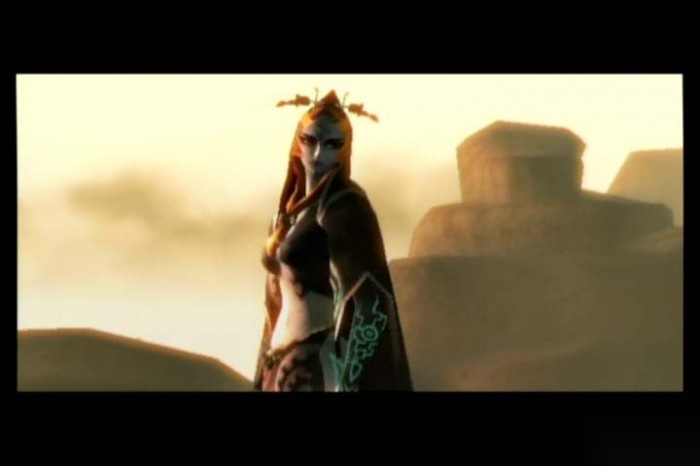
Midna enters the story as an opportunistic guide who appears amused by Link's misfortune and interested mainly in her own goals. That first impression is useful because Twilight Princess spends much of its runtime slowly replacing distance with trust, making her transformation feel earned rather than automatic.
By the middle and late game she has become the emotional center of the full campaign. The mirror-shard hunt, the Palace of Twilight, and the ending itself all matter more because Midna is not just a companion or quest-giver; she is the person through whom the game explains what the Twilight invasion has cost and what restoration might actually mean.
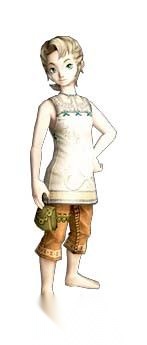
Ilia
Ilia is central to the early emotional logic of the story because she ties Link to Ordon as a lived place rather than as a tutorial map. Her presence gives the kidnapping, memory-loss, and rescue threads a personal texture that keeps the first half of the game grounded even as the mythology grows larger.
She is not written as the driver of the grand political plot, and that is precisely why she works. In walkthrough terms, Ilia is one of the clearest reminders that the campaign is not only about relics, shadow realms, and final bosses; it is also about recovering the small human relationships that the invasion disrupted first.
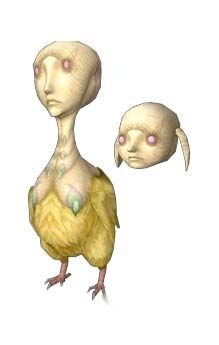
Ooccoo and Ooccoo Jr.
Ooccoo and Ooccoo Jr. look eccentric even by Zelda standards, but their real value is structural. They connect the player to ancient Hyrule not as a dead legend but as a surviving lineage tied to the Temple of Time, the sky civilization, and the machinery of a much older world.
In practical guide terms, they also mark the point where Twilight Princess becomes more openly concerned with forgotten infrastructure and inherited authority. Once the route reaches their material, the adventure is no longer only about regional rescue; it is about tracing who built Hyrule's great systems and who still remembers how they work.
Gor Coron
Gor Coron stands at the center of the Goron chapter because he represents both regional authority and cultural resistance. Link cannot simply arrive at Death Mountain and claim passage; he has to prove himself within the Gorons' own logic of strength, endurance, and earned respect.
That makes Gor Coron more than a local gatekeeper. He helps define one of the game's best recurring ideas: each province has its own leadership, traditions, and thresholds, and the walkthrough becomes more satisfying when those local structures are treated as part of the world rather than as obstacles on the way to a dungeon.
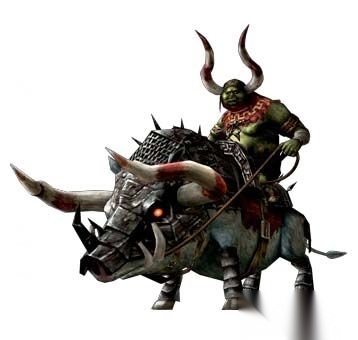
King Bulblin
King Bulblin functions as the route's most visible recurring field commander. He is not written as the deepest political figure in the cast, but his repeated appearances matter because they keep the road through Hyrule feeling occupied, contested, and dangerous even outside the major dungeons.
That persistence gives the main quest momentum. Instead of treating each region as a sealed episode, King Bulblin helps the game feel like a continuous campaign in which Link is being pursued, tested, and forced to answer the same hostile power in more than one form.
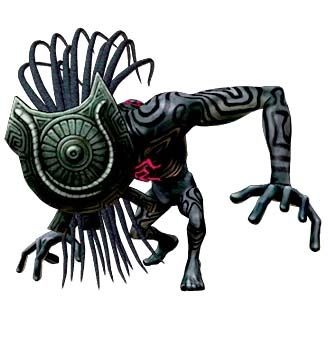
Shadow Beasts
The Shadow Beasts are the clearest visual signature of the Twilight invasion. They matter less as individually memorable enemies than as a state change in the world: when they appear, ordinary village life, road safety, and provincial stability have all been interrupted by outside force.
Because of that, their role in the guide is symbolic as much as mechanical. They announce that a region has crossed into Twilight logic, where cleansing the province and restoring the Light Spirit become the only meaningful way to move forward.
Zant
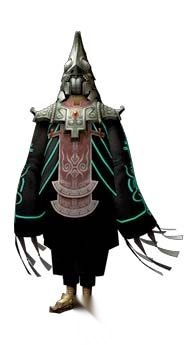
Zant first appears as a cold and overwhelming conqueror, the figure who turns Twilight from rumor into direct occupation. For much of the game he is the face of the enemy, and that is important because his composure makes the fall of both Hyrule and the Twilight Realm feel deliberate rather than chaotic.
Later chapters complicate that image by revealing how unstable his authority really is. That shift is one of the better villain turns in the game: Zant remains dangerous, but he becomes even more useful as a character once the player understands how much of his power is borrowed, theatrical, and bound up with Midna's own history.
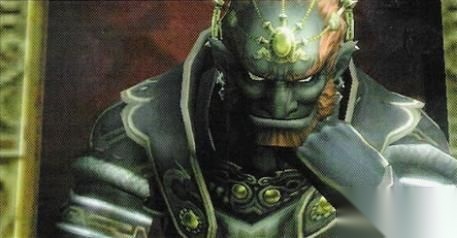
Ganondorf
Ganondorf arrives later than the earlier villains and dungeon structures might suggest, but that late reveal is part of his narrative function. Once he enters the frame, the conflict stops being only a provincial emergency or a usurper's coup and becomes a larger struggle over Hyrule's fate, legitimacy, and survival.
He is also the reason the finale feels mythic rather than merely conclusive. Zant can occupy the middle and late game as an active threat, but Ganondorf is the force that turns the end of the walkthrough into a final reckoning with the source of corruption behind the entire campaign.
The Twilight Princess
The title 'Twilight Princess' identifies more than a character reveal. It points to the game's real center of gravity: the collision between two worlds, the cost of exile and occupation, and the burden carried by the rightful ruler of the Twilight Realm.
Read that way, the title becomes a guide to the whole campaign. The main route may begin with Ordon, pass through Hyrule's provinces, and end in Hyrule Castle, but the story's deepest emotional stakes are tied to whether Midna can reclaim dignity, sovereignty, and separation on her own terms.
Reading Notes
Use this page as a cast reference between chapters rather than as a one-time read. It works best when you want a quick reminder of who a person is, why they matter to the route, and how their role grows as Twilight Princess moves from village rescue to world-scale conflict.